

Yo, folks! As a supplier of Packing Stretch Film Rolls, I often get asked if these bad boys can be used for wrapping furniture. Well, let's dive right into this topic and see what's what.
First off, what exactly are Packing Stretch Film Rolls? They're basically long rolls of thin, stretchy plastic film that are super handy for all sorts of packing jobs. You can find them at Packing Stretch Film Roll. These films are made to stretch and then hold their shape, which makes them great for keeping stuff together.
Now, can you use them for wrapping furniture? The short answer is yes! There are actually quite a few good reasons to use packing stretch film rolls for your furniture.

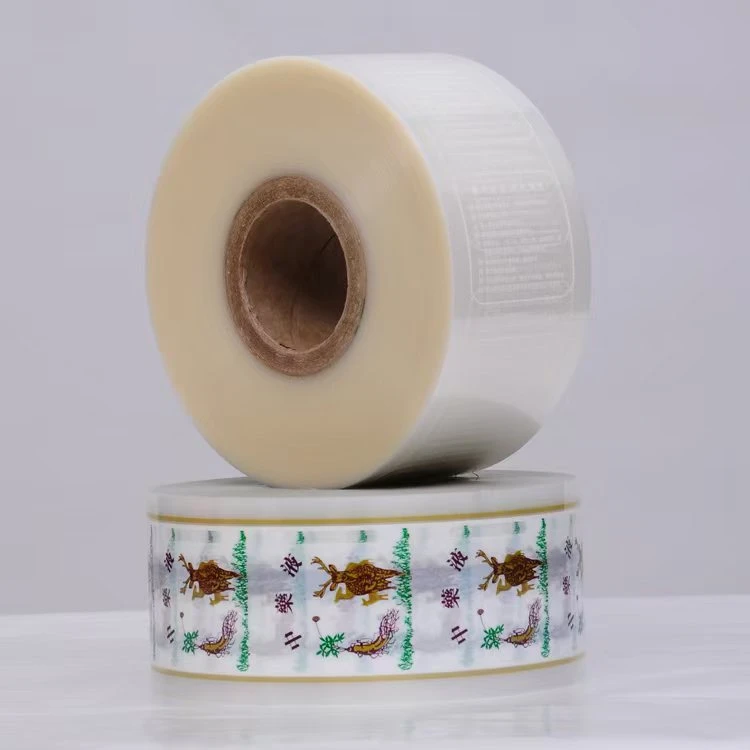
Benefits of Using Packing Stretch Film Rolls for Furniture
1. Protection
One of the main reasons to use packing stretch film on your furniture is to protect it. Whether you're moving, storing, or just transporting your furniture, the film acts as a barrier against scratches, dust, and minor impacts. It's like giving your furniture a protective hug. For example, if you're moving your couch to a new place, the stretch film can prevent it from getting nicked by the edges of doorways or other furniture pieces.
2. Stability
When you're moving multiple pieces of furniture, it can be a real pain to keep them all together. Packing stretch film can solve this problem. You can wrap several items together, like a set of chairs or a table and its matching stools, to keep them stable during transit. This reduces the risk of them shifting around and getting damaged.
3. Cost-Effective
Compared to some other furniture protection methods, like buying custom-made furniture covers, packing stretch film rolls are a much cheaper option. You can get a large roll for a relatively low cost, and it can cover a significant amount of furniture.
4. Versatility
Packing stretch film can be used on all sorts of furniture, from small items like end tables to large pieces like wardrobes. It can also mold to the shape of the furniture, no matter how irregular it is. So, whether you have a curvy vintage chair or a straight-edged modern dresser, the stretch film will fit snugly.
How to Wrap Furniture with Packing Stretch Film Rolls
Wrapping furniture with packing stretch film isn't rocket science, but there are a few tips to make the process go smoothly.
1. Prepare the Furniture
Before you start wrapping, make sure the furniture is clean and dry. Any dirt or moisture on the surface can prevent the film from adhering properly. If there are any loose parts, like drawers or detachable legs, remove them and wrap them separately.
2. Start Wrapping
Begin by securing the end of the stretch film to the furniture. You can do this by making a small loop around a corner or an edge. Then, start stretching the film as you wrap it around the furniture. Aim for a stretch of about 30 - 50% of the film's original length. This will give it enough tension to hold the furniture tightly.
3. Overlap the Layers
As you wrap, make sure to overlap each layer of the film by about half. This helps to create a strong, continuous barrier around the furniture. If you're wrapping a large piece of furniture, you may need to use multiple rolls of stretch film.
4. Finish the Wrap
Once you've completely covered the furniture, cut the film and tuck the end under the previous layer to secure it. You can also use a piece of tape if needed.
Things to Keep in Mind
While packing stretch film rolls are great for wrapping furniture, there are a few things you need to be aware of.
1. Temperature
Stretch film can become brittle in cold temperatures, which can cause it to crack and lose its protective properties. If you're storing or transporting furniture in a cold environment, make sure to choose a stretch film that's designed for low temperatures.
2. Color and Transparency
Some stretch films are opaque, while others are clear. If you want to be able to easily see what's inside the wrapped furniture, choose a clear film. However, if you're more concerned about protecting the furniture from UV light, an opaque film may be a better option.
3. Adhesive Residue
Some stretch films can leave an adhesive residue on the furniture, especially if it's left on for a long time. To avoid this, make sure to choose a high-quality film that's designed to be residue-free.
Other Types of Packaging Films
In addition to packing stretch film rolls, there are other types of packaging films that you might find useful. For example, Food Packaging Film Roll is specifically designed for wrapping food items. It's made from materials that are safe for contact with food and can help to keep your food fresh.
Industrial Plastic Wrap Roll is another option. It's thicker and more durable than regular packing stretch film, making it suitable for heavy-duty industrial packaging.
Retort Film is used for packaging food that needs to be sterilized by heat. It can withstand high temperatures without losing its integrity.
And Packing Plastic Wrap Roll is similar to packing stretch film, but it may have different properties depending on its intended use.
Conclusion
So, to sum it up, packing stretch film rolls are definitely a great option for wrapping furniture. They offer protection, stability, and are cost-effective. Just make sure to follow the proper wrapping techniques and keep the above factors in mind.
If you're in the market for packing stretch film rolls or any of the other packaging films I mentioned, don't hesitate to reach out. We've got a wide range of high-quality products to meet your needs. Whether you're a homeowner looking to move your furniture or a business in need of industrial packaging solutions, we've got you covered. Let's start a conversation and find the perfect packaging film for you!
References
- Packaging Industry Handbook: A comprehensive guide on different types of packaging materials and their uses.
- Furniture Moving and Storage Best Practices: A collection of tips and tricks for protecting furniture during transit and storage.