

Hey there! I'm a supplier of Dried Nuts Packaging, and today I want to chat about how the packaging of dried nuts impacts the product's recyclability. It's a topic that's been on my mind a lot lately, especially as more and more consumers are becoming environmentally conscious.
First off, let's talk about why recyclability matters. In today's world, we're all trying to do our part to reduce waste and protect the environment. When it comes to food packaging, recyclable options can significantly cut down on the amount of trash that ends up in landfills. For dried nuts, which are a popular snack, the right packaging can make a big difference.
Now, the type of packaging we choose for dried nuts can have a huge impact on its recyclability. Let's start with plastic packaging. Plastic is a common choice for dried nuts because it's lightweight, inexpensive, and can keep nuts fresh for a long time. However, not all plastics are created equal when it comes to recycling.
Some plastics, like PET (polyethylene terephthalate), are highly recyclable. You can find PET used in clear plastic containers or some types of flexible plastic bags for dried nuts. When consumers recycle PET, it can be turned into new products like clothing fibers, carpet, or even new plastic containers. On the other hand, there are plastics like multi - layer plastics. These are often used to create a barrier against moisture and oxygen, which helps keep nuts from going rancid. But multi - layer plastics are a nightmare for recyclers. They're made up of different types of plastics that are difficult to separate, and as a result, they often end up in landfills.
Another option is paper packaging. Paper is generally considered more environmentally friendly and recyclable. It's biodegradable, which means it will break down over time. For dried nuts, paper bags can be a great choice. They can be printed with attractive designs and are often lined with a thin layer of wax or plastic to make them moisture - proof. However, the lining can sometimes complicate the recycling process. If the lining is a thin layer of wax, it might not be a big issue, but if it's a plastic lining, it can make the paper harder to recycle.
Cardboard boxes are also used for dried nuts, especially for bulk packaging. Cardboard is one of the most recycled materials in the world. It's easy to break down and can be turned into new cardboard products. But just like paper, if the cardboard has a plastic coating or is laminated, it can reduce its recyclability.

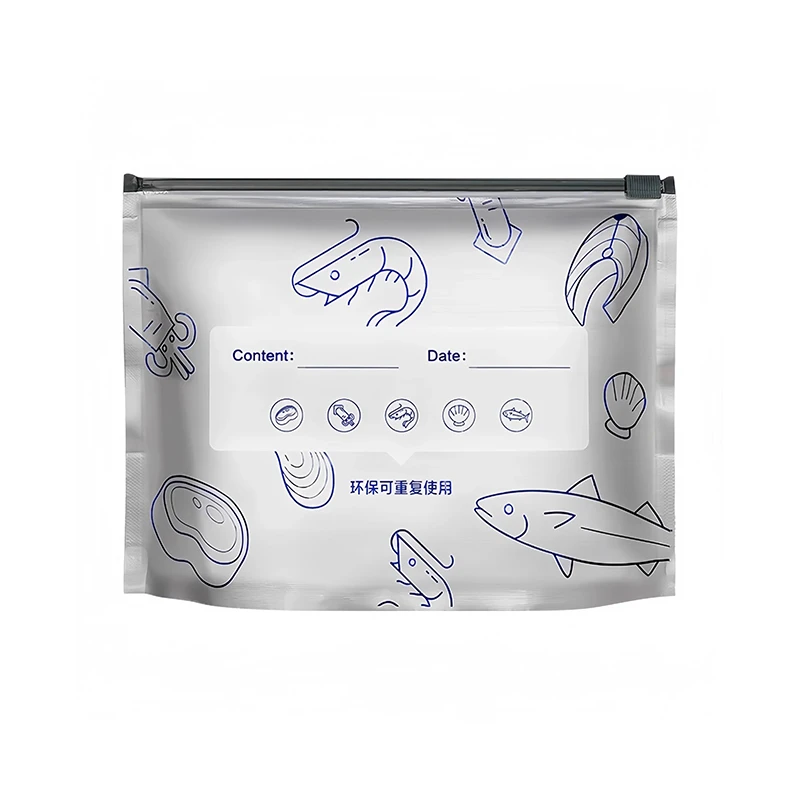
As a Dried Nuts Packaging supplier, I'm always looking for ways to make our packaging more recyclable. We offer Eco Friendly Snack Bags that are made from materials that are easier to recycle. These bags are designed to be both functional and sustainable. They keep the nuts fresh while also being kind to the environment.
We also have Moisture Proof Food Bag options. These are important because nuts are sensitive to moisture. If they get too moist, they can spoil quickly. Our moisture - proof bags are made with materials that are carefully selected to balance the need for protection and recyclability.
Now, let's talk about Milk Pouch Packing. While it might seem off - topic, the technology and materials used in milk pouch packing can sometimes be applied to dried nuts packaging. Milk pouches often use a combination of materials to keep the milk fresh and protected. Some of these materials can be adapted for dried nuts to improve their shelf life and recyclability.
One of the challenges we face as a packaging supplier is educating consumers about recyclability. Many people don't know which types of packaging are recyclable and which aren't. That's why we try to make our packaging as clear as possible. We label our products with recycling symbols and instructions on how to recycle them properly.
We're also constantly researching and developing new packaging solutions. For example, we're looking into using more plant - based materials. These materials are biodegradable and can be a great alternative to traditional plastics. They're also often renewable, which means they can be sourced in a more sustainable way.
Another area we're exploring is compostable packaging. Compostable packaging breaks down into organic matter in a composting environment. This is a great option for dried nuts because it not only reduces waste but also enriches the soil.
When it comes to the overall impact of packaging on the product's recyclability, it's a balance. We need to make sure the packaging protects the nuts and keeps them fresh, but we also want to make it as easy as possible to recycle. It's a complex issue, but one that we're committed to solving.
As a consumer, there are a few things you can do to help. First, always check the recycling symbols on the packaging. If you're not sure, do some research or contact your local recycling facility. Second, try to choose products with more recyclable packaging. And third, support companies that are making an effort to be more sustainable.
We're here at Dried Nuts Packaging to provide you with the best packaging solutions for your dried nuts. Whether you're a small - scale producer or a large - scale distributor, we can work with you to find the right packaging that meets your needs and is also environmentally friendly. If you're interested in learning more about our products or have any questions about packaging and recyclability, don't hesitate to reach out. We're always happy to have a chat and discuss how we can help you with your packaging needs.
In conclusion, the packaging of dried nuts has a significant impact on its recyclability. As a Dried Nuts Packaging supplier, we're doing our best to offer more sustainable options. By working together, we can make a difference in reducing waste and protecting our planet. So, if you're in the market for high - quality, recyclable dried nuts packaging, give us a shout. We're ready to help you take your product to the next level while also being kind to the environment.
References
- "The Handbook of Food Packaging Technology"
- "Recycling and the Environment: A Global Perspective"
- "Sustainable Packaging Solutions for the Food Industry"