

Hey there, fellow packaging enthusiasts! As a packaging film roll supplier, I've seen firsthand how crucial it is to store these rolls properly to maintain their stickiness. In this blog post, I'm gonna share some practical tips and tricks that'll help you keep your packaging film rolls in top-notch condition.
Understanding the Basics of Packaging Film Stickiness
Before we dive into storage methods, let's quickly understand what makes packaging film sticky in the first place. Most packaging films, like the Retort Film, Food Packaging Film Roll, Packing Plastic Wrap Roll, Industrial Plastic Wrap Roll, and Packing Stretch Film Roll, rely on a layer of adhesive or a special electrostatic charge to stick to surfaces or themselves. This stickiness is super important for ensuring that the film can securely wrap around products, seal packages, and protect goods during storage and transportation.
However, factors like temperature, humidity, and light can significantly affect the stickiness of the film. So, proper storage is essential to maintain its performance.
Ideal Storage Conditions
Temperature
The temperature plays a huge role in preserving the stickiness of packaging film rolls. Extreme temperatures can cause the adhesive to break down or become too stiff, leading to a loss of stickiness. Generally, it's best to store packaging film rolls in a cool, dry place with a temperature between 50°F and 70°F (10°C and 21°C).
Avoid storing the rolls in areas that are exposed to direct sunlight or near heat sources like heaters, radiators, or industrial equipment. High temperatures can cause the film to melt or degrade, making it less sticky and more difficult to work with. On the other hand, extremely cold temperatures can make the film brittle and reduce its ability to adhere properly.
Humidity
Humidity is another factor that can impact the stickiness of packaging film. High humidity levels can cause the film to absorb moisture, which can degrade the adhesive and reduce its sticking power. Ideally, the relative humidity in the storage area should be kept between 30% and 60%.
To control humidity, you can use dehumidifiers in areas where the humidity tends to be high. Make sure to regularly check the humidity levels and adjust the settings of the dehumidifier as needed. Additionally, avoid storing the film rolls in damp basements or areas prone to water leaks.
Light
Exposure to light, especially ultraviolet (UV) light, can also cause the packaging film to degrade and lose its stickiness. UV light can break down the chemical bonds in the adhesive, making it less effective. To protect the film from light, store the rolls in opaque containers or in a dark storage area.
If you need to store the film in a well-lit area, consider using UV-blocking covers or curtains to shield the rolls from direct sunlight.
Proper Storage Techniques
Storage Orientation
When storing packaging film rolls, it's important to keep them in the correct orientation. Always store the rolls horizontally on a flat surface. Storing the rolls vertically can cause the film to stretch or deform over time, which can affect its stickiness and performance.
Make sure the surface you're storing the rolls on is clean and free of debris. A rough or uneven surface can cause the film to get scratched or damaged, reducing its stickiness.
Stacking
If you need to stack multiple packaging film rolls, be careful not to stack them too high. Stacking the rolls too high can put excessive pressure on the bottom rolls, causing the film to compress and lose its stickiness. As a general rule, limit the stack height to no more than three or four rolls.
To prevent the rolls from rolling or shifting, you can use dividers or barriers between the stacks. This will help keep the rolls organized and reduce the risk of damage.
Handling
Proper handling of packaging film rolls is also crucial for maintaining their stickiness. When moving or transporting the rolls, be careful not to drop or bang them against hard surfaces. Rough handling can cause the film to tear or damage the adhesive layer, reducing its stickiness.
When removing the film from the roll, use a sharp cutter or scissors to make a clean cut. Avoid pulling the film too hard or tearing it by hand, as this can stretch the film and affect its stickiness.
Packaging
When storing packaging film rolls, it's a good idea to keep them in their original packaging or use protective covers. The original packaging is designed to protect the film from dust, dirt, and light, which can help maintain its stickiness.
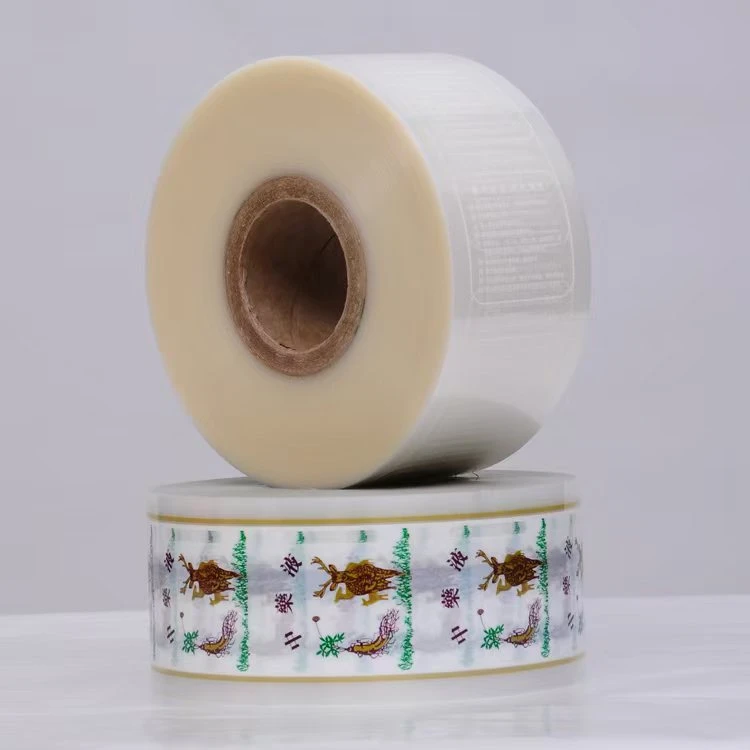

If you don't have the original packaging, you can use plastic bags or wraps to cover the rolls. Make sure the covers are clean and free of any contaminants that could affect the film's stickiness.
Regular Inspection and Maintenance
Even if you store your packaging film rolls in the ideal conditions, it's still a good idea to regularly inspect them for any signs of damage or degradation. Check the rolls for any tears, scratches, or discoloration, which could indicate a loss of stickiness.
If you notice any issues with the film, it's best to use it up as soon as possible or replace it with a new roll. Regular inspection and maintenance will help ensure that your packaging film rolls are always in good condition and ready to use.
Conclusion
Storing packaging film rolls properly is essential for maintaining their stickiness and ensuring optimal performance. By following the tips and techniques outlined in this blog post, you can keep your packaging film rolls in top-notch condition and avoid any issues with adhesiveness.
If you're in the market for high-quality packaging film rolls, don't hesitate to reach out. I'm here to help you find the right products for your needs and answer any questions you may have. Let's start a conversation and make your packaging process more efficient and effective!
References
- Packaging Institute of America. (2023). Best Practices for Packaging Film Storage.
- International Association of Packaging Manufacturers. (2022). Guidelines for Maintaining Packaging Film Quality.
- Journal of Packaging Science and Technology. (2021). Impact of Storage Conditions on Packaging Film Adhesion.